

Atmospheric Rivers and the Super El Niño Threat: How Building Envelope and Roofing Weaknesses Cost HOAs Thousands
Atmospheric rivers and strong Super El Niño weather patterns can bring intense rainfall, powerful winds, and prolonged moisture to multi-family communities. For HOAs, the greatest risk is not always the storm itself. It is often the roofing and building envelope weaknesses that were already present before the first heavy rain arrived.
The building envelope includes all exterior systems designed to protect a property from water and weather. This includes roofing, siding, stucco, windows, doors, decks, balconies, flashing, drainage systems, sealants, and waterproofing. When one part of this interconnected system is damaged, aging, poorly installed, or inadequately maintained, severe winter weather can quickly turn a small defect into an expensive emergency.
Why Roofing Is a Critical Part of the Building Envelope
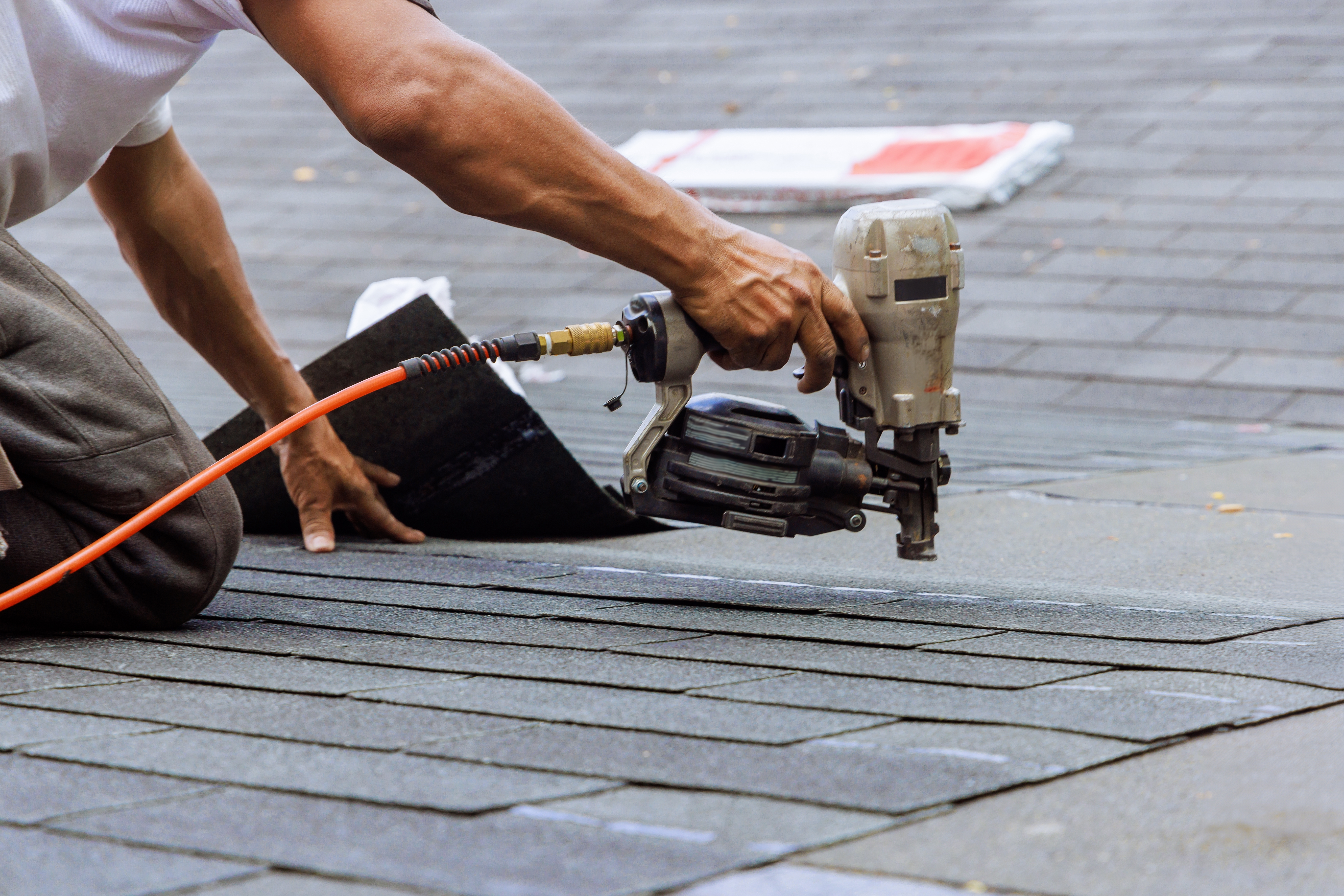
The roof is one of the community’s primary defenses against rain and wind. Missing or damaged roofing materials, deteriorated underlayment, clogged drains, loose flashing, and failed sealants can allow water to enter the structure.
Even a small roofing issue can become serious during sustained rainfall. Water may travel beneath roofing materials, enter attic spaces, move behind walls, and affect ceilings or multiple units. Because the visible leak may appear far from the original entry point, identifying the source often requires a detailed roof and building envelope inspection.
Roofing maintenance and repairs are especially critical before Super El Niño conditions arrive. Waiting until a major storm exposes the problem can leave HOA boards dealing with emergency service costs, limited contractor availability, interior damage, homeowner complaints, and complicated insurance claims.
How Building Envelope Weaknesses Increase HOA Repair Costs
A small opening around a window, balcony, roof penetration, or flashing detail may seem manageable during dry weather. During repeated storms, that same opening can allow moisture to spread into structural materials, insulation, drywall, decks, and shared walls.
By the time water stains, musty odors, soft drywall, damaged ceilings, or exterior cracking become noticeable, the underlying damage may already be widespread. HOAs may then face extensive repairs that affect several units or buildings at once. Without a clear inspection and repair plan, communities risk spending money on visible symptoms while leaving the source of the water intrusion unresolved.
Warning Signs HOA Boards Should Address Before Winter
HOA boards and property managers should watch for signs that roofing or other parts of the building envelope require attention:
• Missing, cracked, lifted, or deteriorated roofing materials
• Clogged roof drains, gutters, or downspouts
• Damaged flashing around vents, chimneys, skylights, and roof edges
• Cracked stucco, siding gaps, or peeling exterior coatings
• Staining around windows, doors, ceilings, or balconies
• Ponding water or failed deck and balcony waterproofing
• Deteriorated sealant, loose trim, dry rot, or recurring leaks
These conditions may not appear urgent during dry weather, but they can become significantly more expensive once sustained rain and strong winds begin.
Proactive Roof and Building Envelope Inspections Protect HOA Budgets
A professional inspection can identify weak points before they become winter emergencies. Roofing, drainage, flashing, waterproofing, siding, windows, balconies, and other exterior systems should be evaluated together because water often travels between different parts of the building envelope.
A proactive approach gives the HOA board time to prioritize repairs, develop a realistic scope of work, compare contractor options, communicate with homeowners, and plan for costs. It also allows roofing maintenance and essential repairs to be completed under controlled conditions instead of during an active storm.
Construction Management Creates a Clearer Repair Process
Roofing and building envelope repairs for HOAs often involve multiple trades, hidden damage, structural concerns, waterproofing details, permits, and access to occupied units. Construction management helps coordinate these moving parts and provides the board with a clearer understanding of what needs to be repaired and why.
A defined plan also helps reduce rushed decisions, incomplete repairs, and repeated water intrusion. Addressing vulnerable roofing and exterior systems before Super El Niño weather arrives can protect the community, reduce emergency costs, and support the HOA’s long-term maintenance budget.
Schedule a building envelope or HOA repair planning consultation with AD Magellan Design-Build & Construction Management to identify hidden exterior weaknesses, reduce the risk of winter emergency repairs, and protect your community’s long-term budget. Visit our office in Vista, California, or call (877) 899-5990 to book a consultation today.

What We Do
Learn More
Keep
In Touch
Proud sponsors of & charities we support


Contact
Monday
8:00am - 5:00pm
Tuesday
8:00am - 5:00pm
Wednesday
8:00am - 5:00pm
Thursday
8:00am - 5:00pm
Friday
8:00am - 5:00pm
Saturday
Closed
Sunday
Closed
Contact Us
A.D. Magellan cares about you and your community.
Let us be your guide!
Powered by 